


来源:微软学术合作
文章来源:https://mp.weixin.qq.com/s/VNcm3s6dsislchTwBj8wWg
中国计算机大会(CNCC)是中国计算机学会(CCF)的旗舰会议,也是国内计算机领域具有广泛影响力的年度盛会。CNCC2026将于10月21日至24日在四川成都举行,主题为“数聚驱动,智算未来”。
今年,微软亚洲研究院(MSRA)将参与大会多项学术交流活动,并联合APAC、CCF举办 “AI for Research & Education: Reshaping Talent and Discovery in the Asia-Pacific” 国际论坛,围绕AI驱动科研、未来教育与人机协作等议题,与亚太学术界展开交流。
论坛简介
日期:2026年10月24日(星期六)
时间:13:30-17:30(UTC+8)
地点:成都西博城4号馆-411
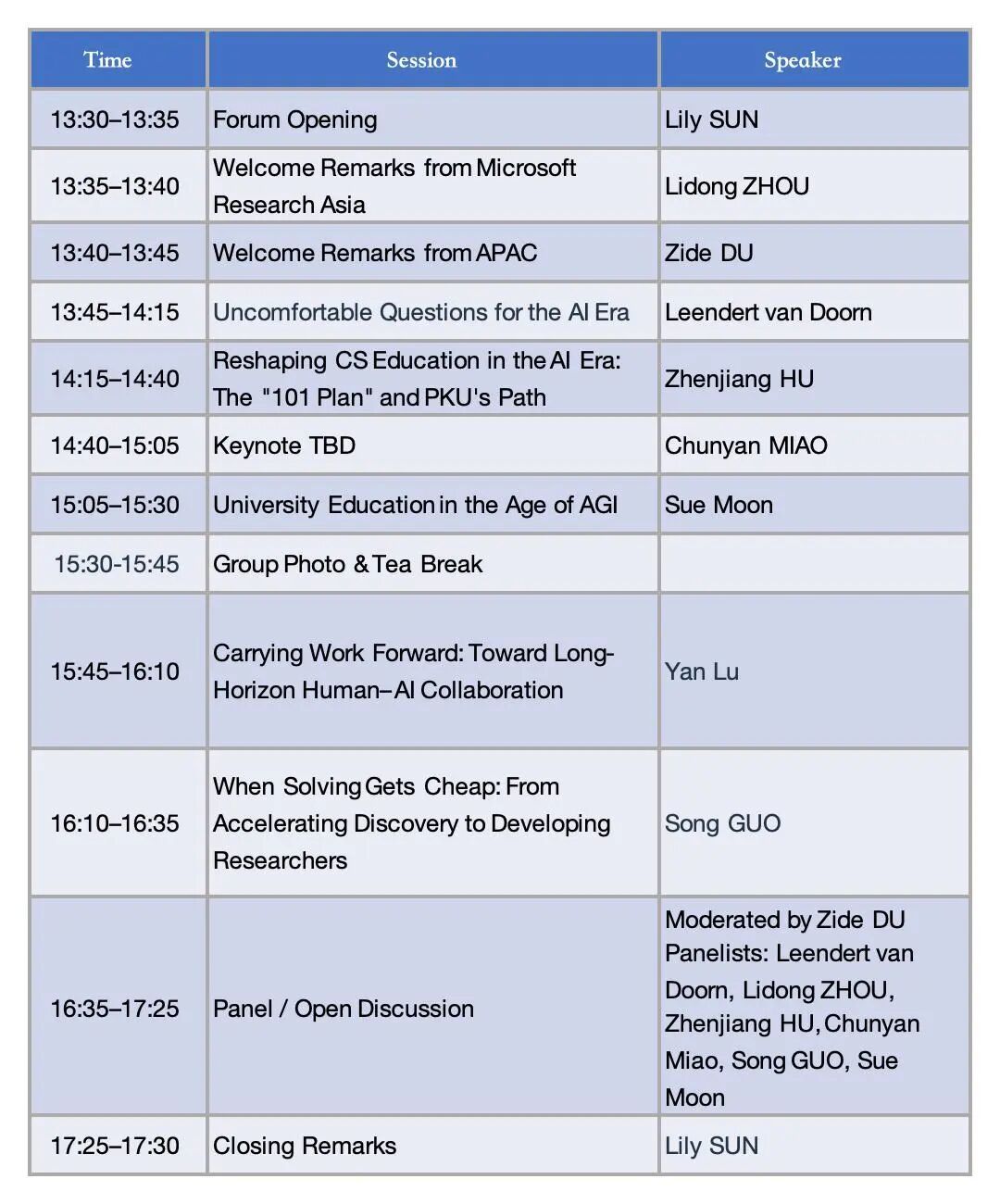
日程安排
Welcome Remarks
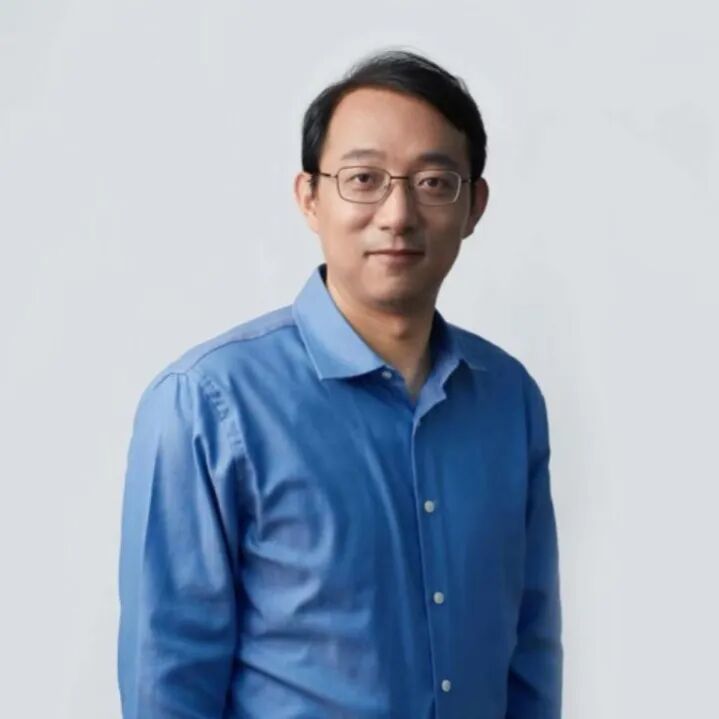
Lidong Zhou
Corporate Vice President,
Microsoft
Managing Director,
Microsoft Research Asia
ForumCo-Chairs
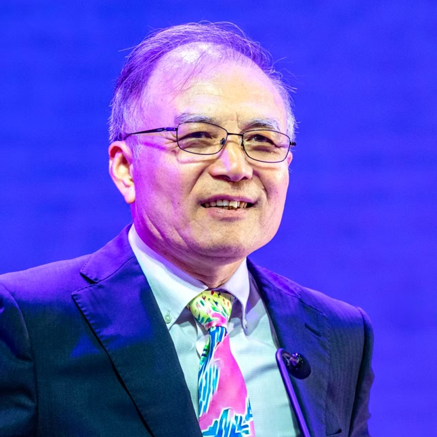
Zide Du
CEO, Asia-Pacific Alliance for Computing
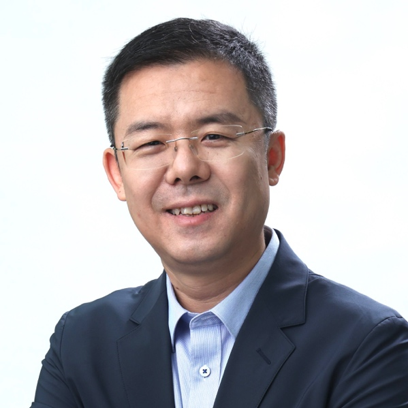
Yan Lu
Assistan Managing Director,
Microsoft Research Asia
Title: Carrying Work Forward: Toward Long-Horizon Human–AI Collaboration
Abstract:AI agents are evolving from task-specific tools into research collaborators that can help people explore ideas, conduct experiments, and analyze evidence.This talk introduces Evolving Memory and Agentic Media as approaches to supporting continuity, mutual learning, and adaptation in long-term human-AI collaboration. It will also examine trust, governance, privacy, security, and the continued importance of human direction.
Speakers

Leendert van Doorn
Technology Executive and Computer Scientist
Former Senior Vice President,
Qualcomm
Title: Carrying Work Forward: Toward Long-Horizon Human–AI Collaboration
Abstract:Generative AI is making answers, code, designs, and hypotheses easier to produce. As a result, the constraints on innovation may shift toward judgment, verification, feedback, and computing resources.This talk examines how research, education, computing, and engineering organizations may need to adapt as AI transforms established workflows and changes their most important bottlenecks.
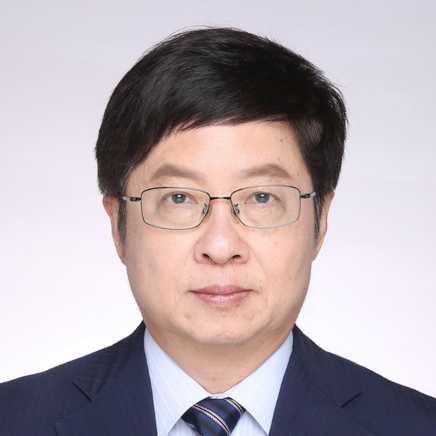
Zhenjiang Hu
Dean and Chair Professor,
School of Computer Science,
Peking University
Title: Reshaping CS Education in the AI Era: The “101 Plan” and PKU’s Path
Abstract:This talk explores how artificial intelligence is reshaping the content, methods, and organization of computer science education.Drawing on China’s national “101 Plan” and Peking University’s educational practices, the talk will discuss curriculum reform and opportunities to build a collaborative intelligent-education ecosystem across the Asia-Pacific region.
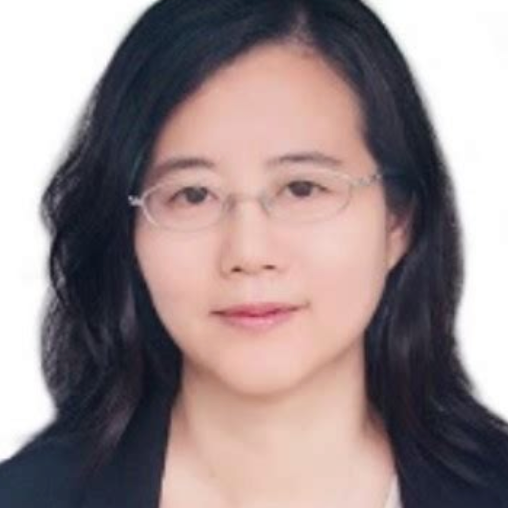
Chunyan Miao
Associate Vice President(Capability Building)
President’s Chair in Computer Science Fellow, Singapore Academy of Engineering Nanyang Technological University
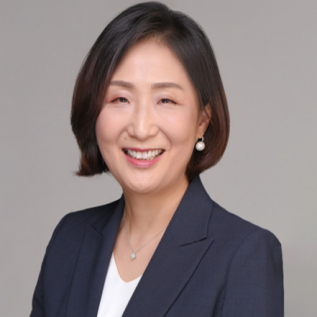
Sue Moon
Professor,KAIST
President,KIISE,2026
Title: University Education in the Age of AGI
Abstract:As generative AI advances toward artificial general intelligence, universities must consider changes beyond adding AI-related courses or teaching students how to use new tools.Drawing on discussions involving Korea’s National AI Strategy Committee, KIISE, and KAIST, this talk examines how curricula, teaching methods, assessment systems, and the role of faculty may need to evolve in the age of AGI.
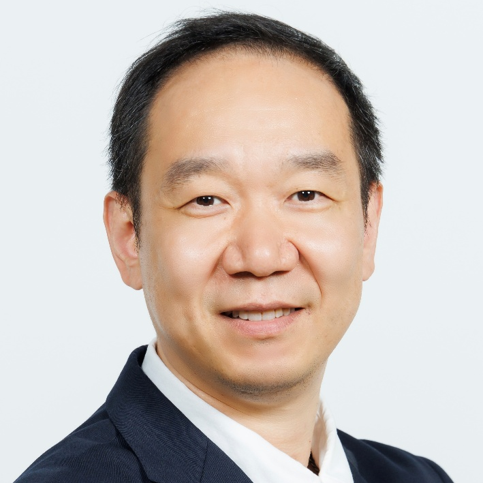
Song Guo
Director,HKUST Center of Physical AIChair Professor, HKUST
Title: When Solving Gets Cheap:From Accelerating Discovery to Developing Researchers
Abstract:Drawing on research in Physical AI, this talk examines how AI can accelerate the solution of complex research problems while increasing the importance of verification and human judgment.It will also discuss the “Performance–Competence Gap,” in which students and researchers may use AI to perform advanced tasks before developing the professional judgment traditionally associated with such performance.
Opening&Closing Remarks

Lily Sun
Director of Accelerator Team,
Microsoft Research Asia
